Published OnJanuary 26, 2026January 26, 2026
Reliability: The Invisible Advantage in Food Service
Consumers never think about reliability until it breaks, which is exactly why it's your most important competitive advantage.


In a recent SmartBrief webinar, "Smart Operator: How Consumer Trends are Driving Operational Shifts in Food Service," Ditto's Simon Leigh joined Huy Do from Datassential to explore what consumers actually want in 2026 and what that means for restaurant operations.
Datassential’s research revealed what drives restaurant choices: taste ranks first, value second, with service trailing slightly and speed far behind.
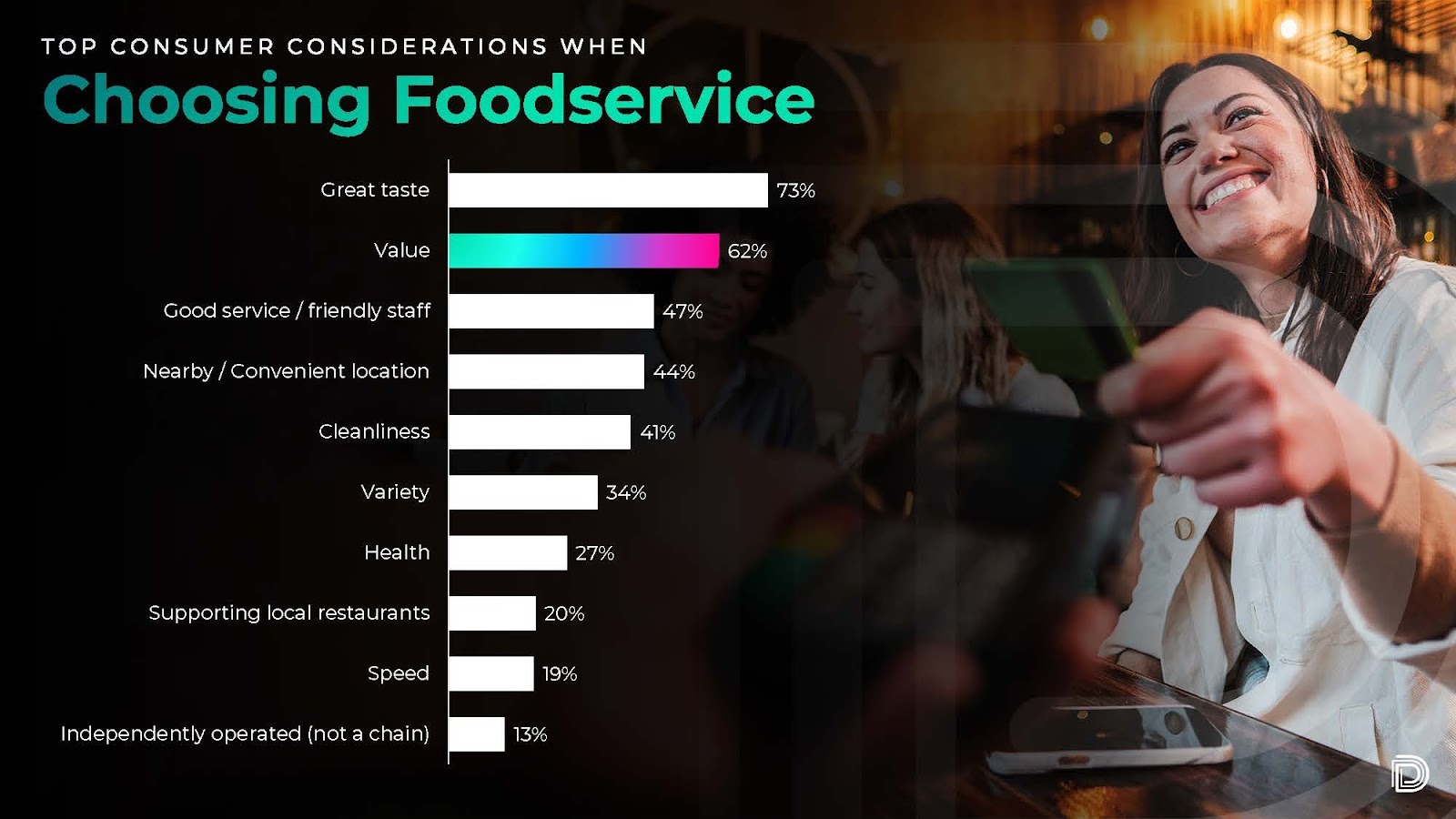
Case closed, right? Not so fast.
Even as Do presented these findings, he immediately cautioned against that interpretation: "Things like service and reliability and especially speed are baseline factors where people often forget about them when they go right. The best part about providing reliable service and good speed is consumers don't have to think about them at all. People only notice those things when something goes wrong."
In other words, there's something deceptive about these findings. When consumers rank their priorities, they're telling us what they consciously seek. Nobody walks into a restaurant hoping for slow service. Or opens a delivery app thinking, "I really hope my order gets lost today." These aren't conscious decision factors for consumers today. They're expectations so basic they're invisible.
You Only Notice Reliability When It Breaks
Here's the paradox: the better your operations run, the less consumers think about them. When orders flow smoothly from app to kitchen to customer, nobody pauses to appreciate the synchronization. They just enjoy their meal and think about how good it tastes.
But let a single order go wrong, a mobile order that never reaches the kitchen, a customization that gets missed, a drive-through line that mysteriously stalls, and suddenly speed and reliability are the only things that matter. That carefully crafted new menu item? The consumer never tastes it cold, or maybe never even gets it.
As Simon Leigh, Director of Solutions Engineering at Ditto, put it during the panel: "Reliability is the unsung foundation. Every time you're unable to serve something, you're slow to serve something, you make a mistake, and guests have destroyed value perception. If you get an order wrong or you have a system outage, you wreck your value perception."
The Foundation of Success in Food Service
Think of operational reliability like the foundation of a house. Nobody tours a home and says, "Wow, what a spectacular foundation." But without it, the beautiful kitchen and the open floor plan are irrelevant.
Do summed up this dynamic perfectly: "Having great menu offerings, really craveable food options are going to be what solidifies a consumer's loyalty or perception of your brand. But having bad speed, really long wait times, unreliable service are going to be the things that break that."
Great taste builds loyalty but only if you can offer a consistent, high quality experience for guests every time.
In that respect, isn’t reliability the best competitive advantage you can give your business? If you can guarantee a top experience no matter what consumers can truly experience your brand in the way you want. Those that struggle with reliability won’t be able to deliver on that promise 100% of the time.
In food service, reliability is what allows your other investments to pay off:
Taste, Value, and Personalization especially. 71% of consumers say customization is more important to them than ever before. Every customization is another data point that must flow from the order-taker to the cloud and to the kitchen display. One break in that chain, and your personalization promise becomes a huge disappointment.
The True Cost of Unreliability
When systems fail, the damage extends far beyond a single botched order.
Your team stops focusing on hospitality and starts troubleshooting technology. Instead of building connections with guests, they're apologizing for errors, manually re-entering orders, trying to figure out why the kitchen never received ticket 47.
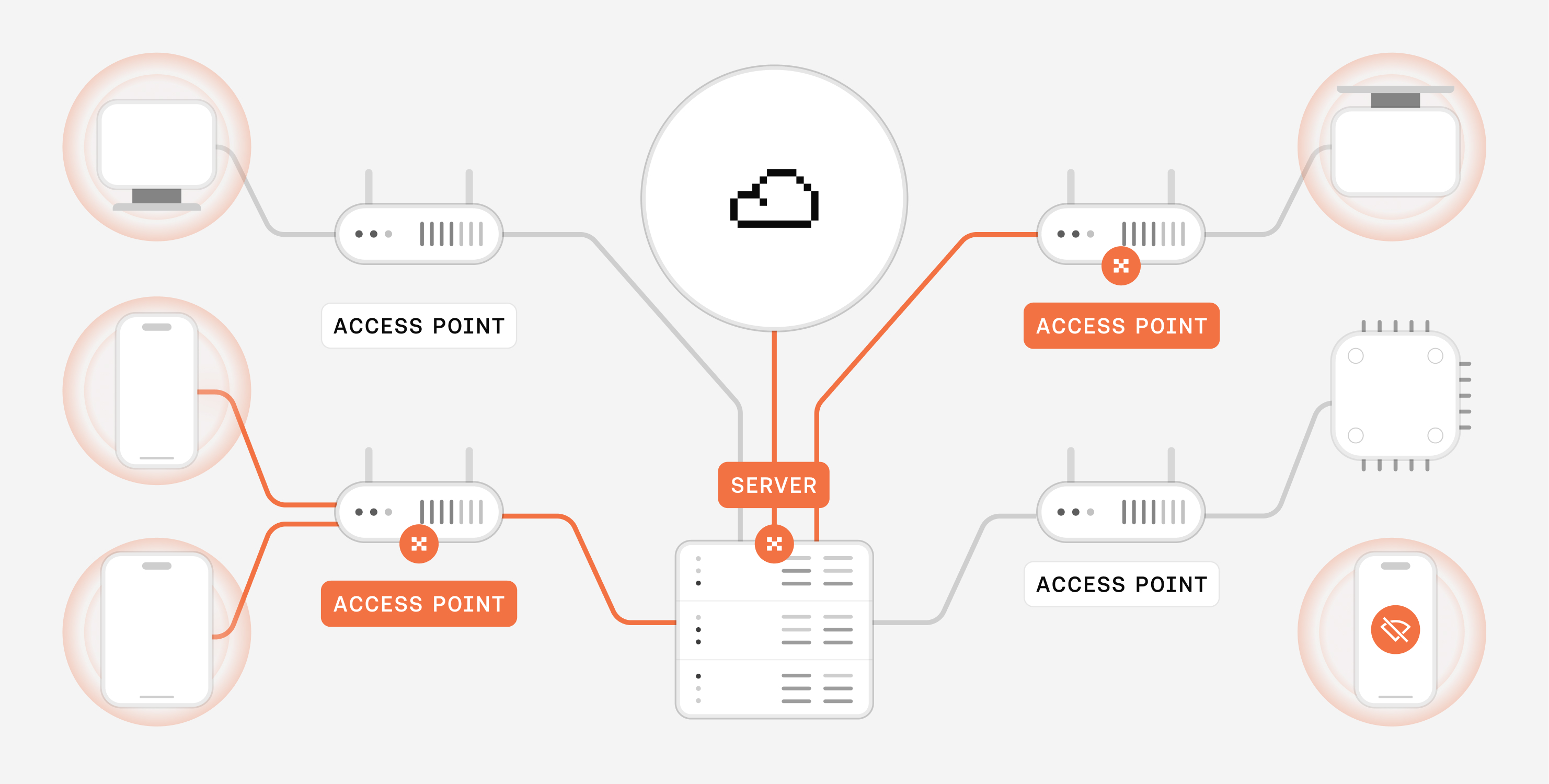
Leigh describes this as "playing whack-a-mole", a cascade where one failure creates compounding problems: "A mobile order goes to the cloud, to the store server, to the point of sale, to the KDS. If you have a hiccup somewhere in that chain, the kitchen doesn't see the order. A guest arrives, they wait, they get frustrated. The team is scrambling."
This is the real cost of unreliability: not just the single failed transaction, but the operational chaos that prevents your team from delivering on everything else consumers say they want.
Building the Invisible Foundation
So how do operators build the kind of reliability that consumers never notice.
Design for failure. Systems break. Mobile connections are inherently brittle. The question is whether your operations degrade gracefully or collapse entirely. Can your locations keep running if the internet drops? Can devices communicate directly with each other when the cloud is unreachable?
Reduce latency in the data chain. Why are sync events between a POS or drive-thru attendant taking a round-trip to the cloud and back to reach the KDS when the devices are right next to each other? This leaves tons of room for potential error.
Simplify, don't layer. Every new integration point is another potential failure point. Rather than adding middleware to connect aging systems, operators increasingly need to rethink their architecture entirely. Retrofitting new technology layers introduces complexity, increasing the number of points of failure.
Free your team to focus on guests. When employees aren't troubleshooting technology, they can focus on the human elements that actually differentiate your brand. The best use of technology in hospitality is making itself invisible so that hospitality can happen.
The Real Competitive Advantage
In 2026, consumers will continue to tell researchers they care about taste and value and experience. It's true, they do care about those things.
But the operators who win won't start by chasing those stated preferences. They'll recognize that reliability is what makes those preferences achievable. That speed isn't about being fastest; it's about being consistent.
The best technology, like the best service, is invisible. You only notice it when it's gone.